Urban Air Quality: Occurrence, Emission Sources and Risk Assessment of Polycyclic Aromatic Hydrocarbons (PAHs) in Airborne Fine Particles
Abstract
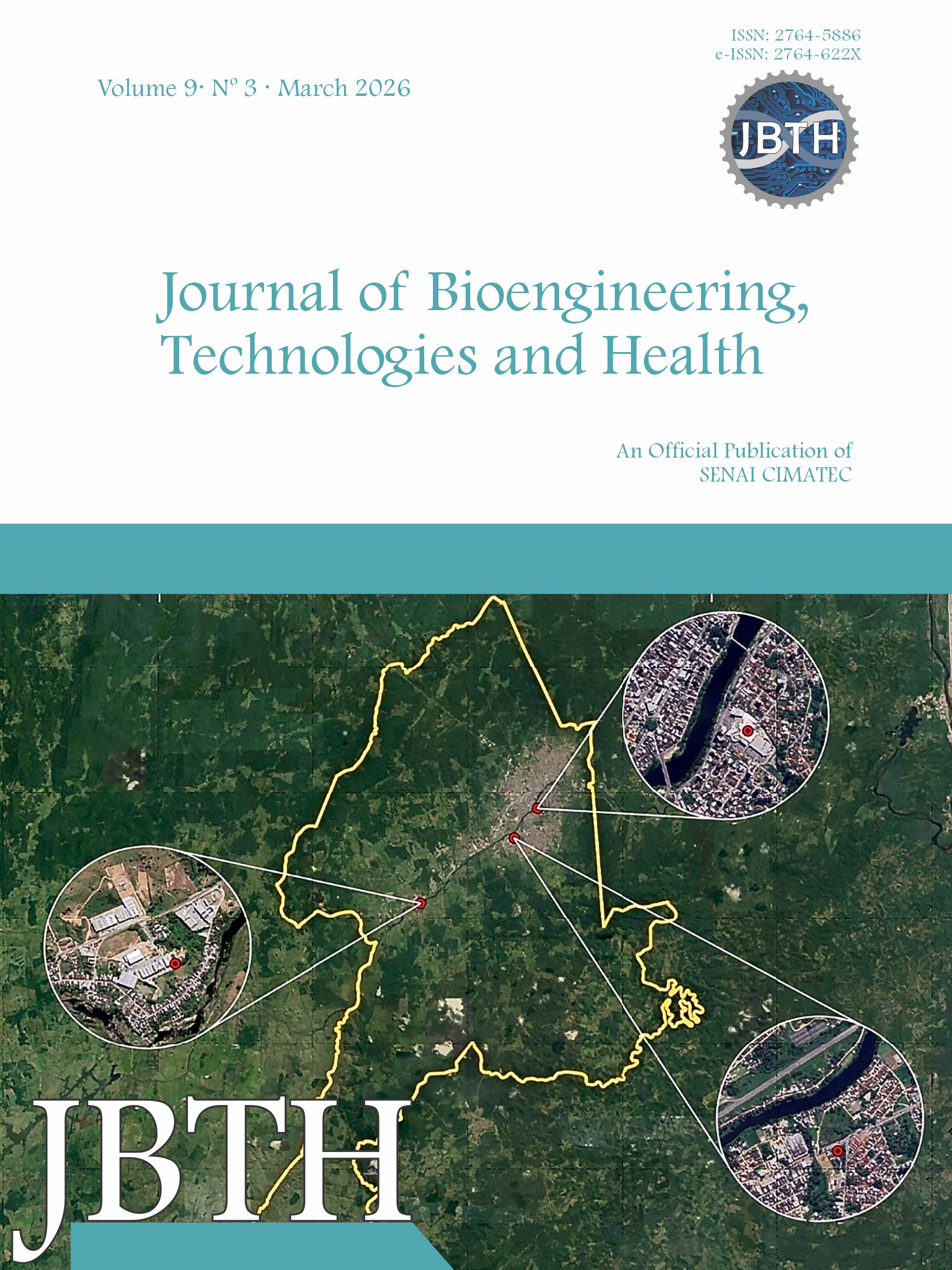
This study evaluated the occurrence, emission sources, and health risks of polycyclic aromatic hydrocarbons (PAHs) bound to fine particulate matter (PM₂.₅) in the urban atmosphere of Itabuna, Southern Bahia, Brazil. PM₂.₅ samples were collected at three sites with distinct anthropogenic influences: a rural area (UFSB Campus
Jorge Amado), a predominantly residential area (15th Military Police Battalion), and a high-traffic commercial area (Jequitibá Shopping Mall). Thirteen of the sixteen priority PAHs were detected in all 21 samples, representing 82% of quantified PAHs. The highest total PAH concentration (3.28 ng m⁻³) occurred at the UFSB site, influenced by nearby industrial activities, freight transport, and vehicular traffic on a federal highway. Benzo(a)pyrene, an indicator of PAH pollution, was present in all samples, with concentrations below the European Union annual limit (1.0 ng m⁻³). Molecular diagnostic ratios indicated diesel and gasoline combustion as the main emission sources, with coal combustion also contributing. The incremental lifetime cancer risk (ILCR) was estimated for four population groups (infants, children, adolescents, adults), showing values within the acceptable range suggested by the U.S. EPA (10⁻⁶–10⁻⁴), but indicating potential long-term health concerns,
particularly in high-traffic areas. The relevance of this study lies in the fact that Brazil still lacks regulatory limits for PAHs in ambient air, making local assessments essential to guide environmental management and public health policies. Furthermore, data on air quality in medium-sized Brazilian cities are scarce, despite rapid
urbanization and increasing vehicle fleets. These findings emphasize the urgent need for continuous monitoring, improved emission control, and preventive strategies to mitigate risks to human health and environmental quality.